
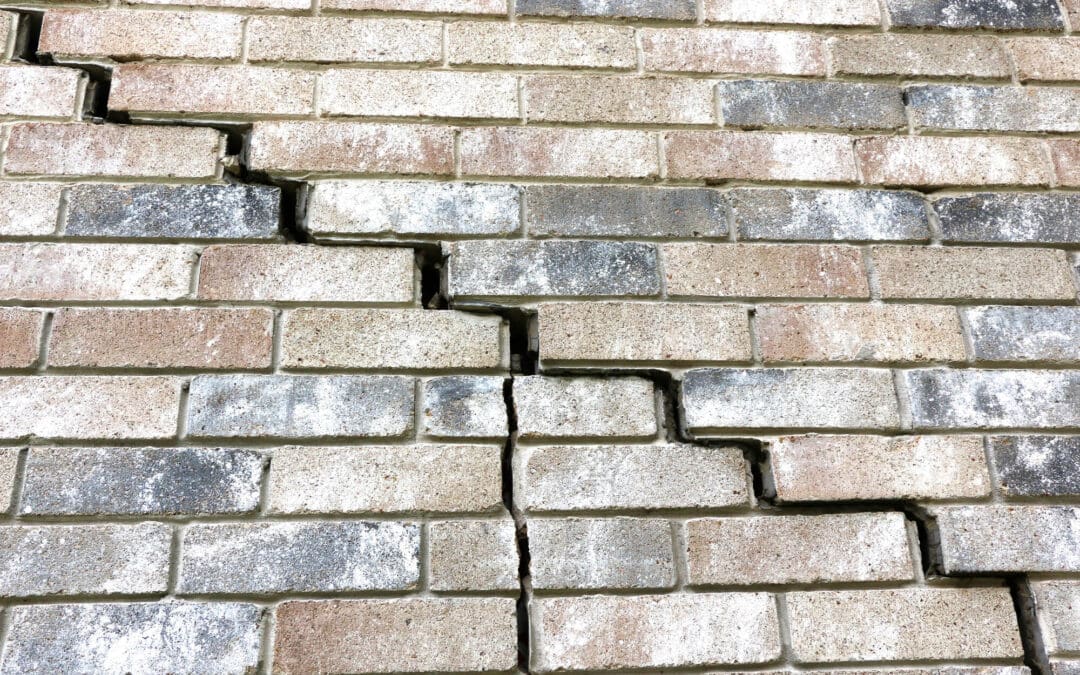
Identifying structural problems in your home early is the difference between a simple maintenance fix and a catastrophic financial burden. For most homeowners, the house is their most significant asset, yet the bones of the structure are often the most neglected until a major issue arises. Understanding that a home is a dynamic entity that settles and shifts over time is essential for long-term preservation. You do not need to be a professional engineer to notice when something is amiss; you simply need to know where to look and what certain red flags represent. By remaining vigilant and addressing structural problems the moment they manifest, you protect the safety of your family and the longevity of your investment.
Most Common Signs of Structural Problems
One of the most common indicators of shifting is the appearance of cracks in your drywall or plaster. While small, hairline cracks are often just a sign of a house settling or the natural expansion of building materials, larger jagged or stair-step cracks are more concerning. If you notice a crack that is wider than a quarter-inch or one that runs diagonally from the corner of a window or door frame, it may point toward significant structural problems within the foundation. These gaps suggest that the ground beneath your home is moving unevenly, causing the frame to twist and pull apart. Paying attention to these visual cues will help you catch a settling issue before it compromises the entire wall.
Monitoring Doors and Windows for Misalignment
When a home’s frame remains perfectly square, doors and windows should open and close with minimal effort. However, when structural problems begin to develop, the geometry of the house shifts. If you suddenly find that a bedroom door sticks at the top or a window that used to slide easily is now jammed, it is rarely just a localized humidity issue. This sticking often occurs because the foundation has shifted enough to tilt the door or window header. If you also notice gaps between the frame and the wall, or if locks no longer line up with their strike plates, it is a strong signal that the load-bearing components of your home are no longer level.
Identifying Sloping Floors and Uneven Surfaces
A home should feel solid underfoot, but if you feel like you are walking slightly uphill in your own living room, it is time to investigate. Uneven or sloping floors are a classic hallmark of structural problems, particularly in homes with crawlspaces or basements. This often indicates that a support pier has sunk or that a floor joist has begun to rot or sag. You can test this by placing a small ball on a hard surface to see if it consistently rolls in one direction. While a slight slope in a century-old home might be part of its character, a sudden change in floor level is a serious warning that the support system is failing.
External Clues of Structural Problems
Sometimes the clearest evidence of trouble is found by walking the exterior of the property. If your home has a brick veneer, look specifically for “stair-step” cracks in the mortar lines, which frequently indicate foundation heave or settlement. Furthermore, keep an eye on where the chimney meets the rest of the house; a chimney that appears to be pulling away from the siding is a major red flag for structural problems. You should also inspect the soil around your foundation to ensure it isn’t pulling away or excessively saturated, as poor drainage is the leading cause of the movement that creates these structural hazards.
Integrity Inspections offers home inspections in Greene County, Tennessee, and surrounding areas. Contact us to schedule your inspection today.
Recent Comments