
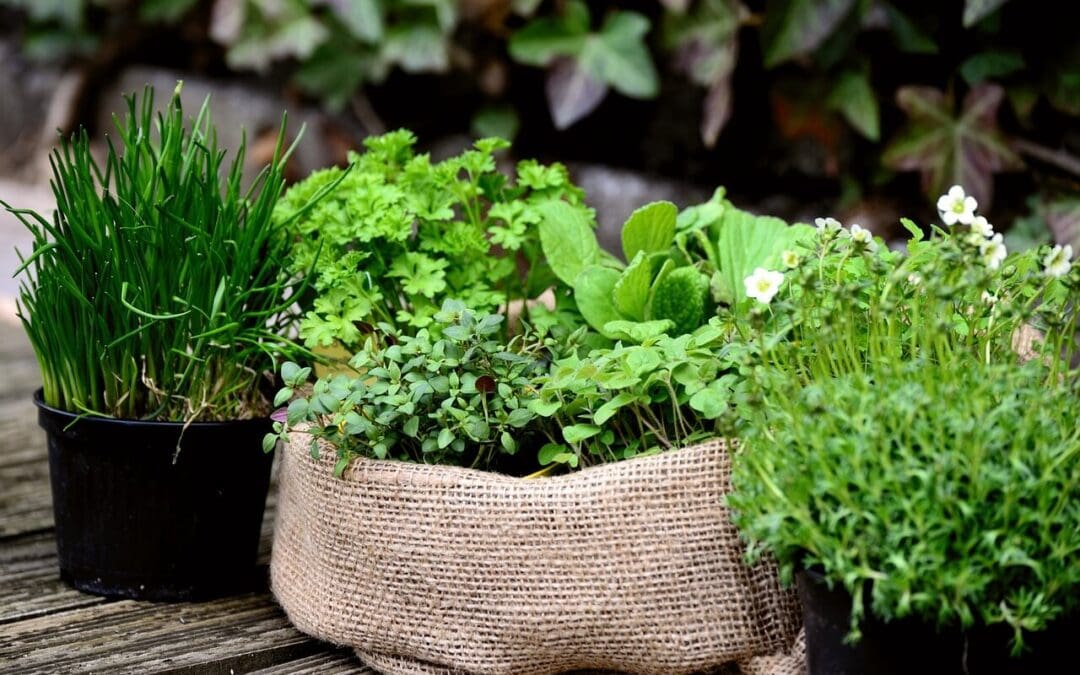
Container gardening is one of the most accessible and rewarding ways to grow plants, whether you have a sprawling backyard, a modest patio, or nothing more than a sunny balcony. With the right containers, soil, and plant selections, virtually any outdoor space can be transformed into a thriving garden. It’s a flexible, low-commitment approach that works for beginners and experienced gardeners alike, and the results can be just as beautiful and productive as any in-ground garden bed.
Container Gardening Starts With Choosing the Right Containers
The container you choose has a direct impact on how well your plants perform, so it’s worth thinking carefully before you buy. Size is the most important factor, too small and roots become cramped, the soil dries out too quickly, and plant growth is stunted. As a general rule, choose a container that’s at least a few inches wider and deeper than the plant’s current root ball, and go larger whenever you’re unsure. Containers without drainage holes trap water at the bottom, leading to root rot and plant death, even with the best watering habits. Always choose containers with adequate drainage holes, or drill your own if you fall in love with a container that doesn’t have them. Material matters too; terracotta is breathable and attractive but dries out quickly in heat, while plastic and resin retain moisture longer and are significantly lighter for balconies or rooftop gardens.
Use the Right Soil and Feed Regularly
One of the most common container gardening mistakes is filling pots with garden soil from the ground. Garden soil compacts in containers, restricts drainage, and doesn’t provide the loose, aerated structure that container plants need to thrive. Always use a high-quality potting mix specifically formulated for containers, it’s lighter, drains well, and contains the right balance of materials to support healthy root development. Because container plants are watered frequently and nutrients leach out of the potting mix over time, regular fertilizing is essential. A slow-release granular fertilizer worked into the soil at planting gives plants a steady nutrient supply, while a liquid fertilizer applied every two to four weeks during the growing season keeps them performing at their best throughout the season.
Choose the Right Plants for Container Gardening Success
Herbs, vegetables, annuals, perennials, dwarf shrubs, and even small fruit trees can all be grown successfully with the right container and care. Herbs like basil, rosemary, mint, and chives are among the easiest and most rewarding container plants for beginners. Tomatoes, peppers, and lettuce perform beautifully in larger containers with consistent watering. For purely decorative displays, combining a tall, dramatic plant with fillers and spillers creates a lush container arrangement. Pay attention to sunlight when placing containers. Most vegetables and flowering plants need at least six hours of direct sun daily, while shade-tolerant plants like ferns, impatiens, and coleus thrive in spots that receive filtered or indirect light. One of the greatest advantages of container gardening is the ability to move pots to follow the sun or protect plants from harsh weather, use that flexibility to your advantage throughout the season.
Consistent watering is the single most important maintenance habit in container gardening. Containers dry out far faster than in-ground beds so check soil moisture regularly and water thoroughly when the top inch of soil feels dry. With the right containers, soil, plants, and care routine, container gardening delivers a garden experience that fits any space and any lifestyle.
Integrity Inspections offers home inspections in Greene County, Tennessee, and surrounding areas. Contact us to schedule your inspection today.