
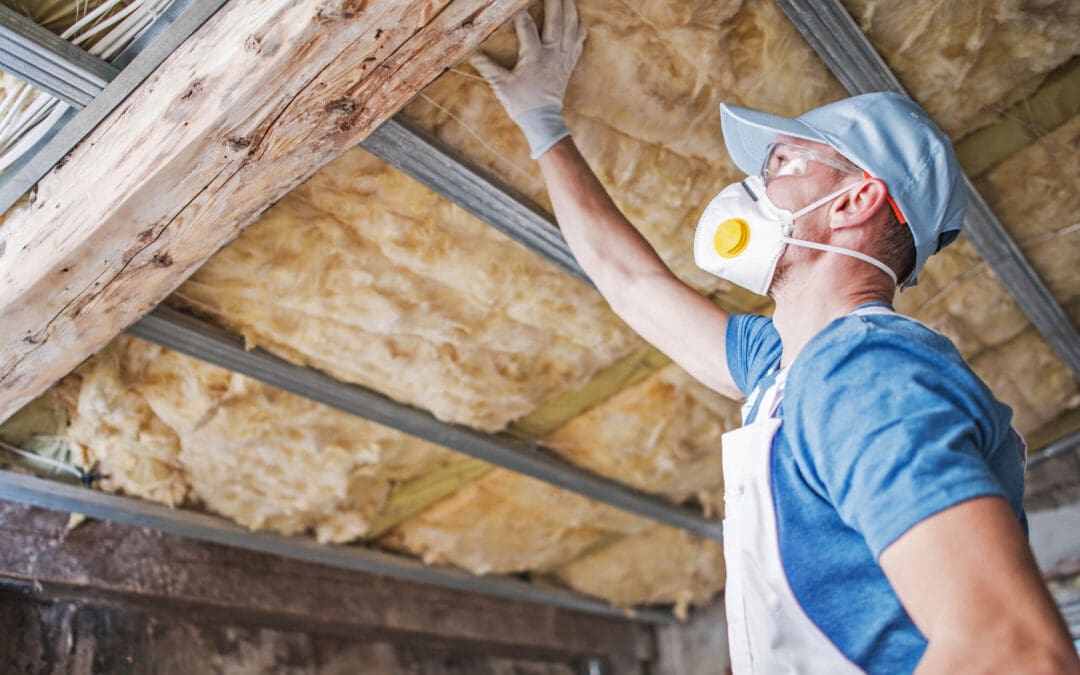
Attic insulation plays a significant role in how a home feels and performs throughout the year. Because heat naturally rises, the attic is one of the most common areas where energy is lost. When insulation is lacking or outdated, warm air escapes during colder months while excess heat enters during warmer seasons. This forces heating and cooling systems to work harder than necessary to maintain a comfortable temperature. For homeowners, improving attic insulation will lead to noticeably steadier indoor temperatures and lower monthly energy costs. It helps reduce drafts and minimizes hot or cold spots that can make certain rooms uncomfortable. Although attic insulation is often overlooked because it is out of sight, it has a direct and ongoing impact on comfort and efficiency.
How Attic Insulation Improves Energy Efficiency
One of the most significant advantages of attic insulation is its effect on energy efficiency. Insulation acts as a barrier that slows heat transfer between the attic and the living space below. In winter, it helps keep heated air indoors, while in summer it blocks excessive heat from entering the home. When a home holds its temperature more effectively, heating and cooling systems do not need to cycle as frequently. This reduces overall energy consumption and helps extend the lifespan of HVAC equipment. Over time, improved efficiency often results in consistent savings on utility bills, making insulation a practical long-term investment.
Creating Consistent Indoor Temperatures
Proper insulation plays an important role in maintaining comfort throughout the home. Without adequate insulation, temperature differences between floors can become noticeable. Upper levels may feel warmer in summer and colder in winter, while lower levels struggle to maintain balance. Insulation helps stabilize indoor temperatures by reducing extreme fluctuations. This allows every room to feel more consistent and comfortable, improving daily living conditions and reducing the need for constant thermostat adjustments.
Protecting the Home From Moisture and Damage
Attic insulation does more than regulate temperature; it also helps protect the structure of the home. By limiting temperature swings, insulation reduces the likelihood of condensation forming in the attic. Excess moisture can lead to mold growth, wood deterioration, and damage to roofing components. A properly insulated attic supports healthier ventilation and reduces stress on the roof system. By controlling both temperature and moisture, insulation helps preserve the integrity of the home and prevent costly repairs over time.
When Attic Insulation Should Be Evaluated
Homeowners may not always realize when insulation needs attention. Gradually rising energy bills, drafts, or noticeable differences in temperature between rooms could be signs of insufficient insulation. Homes built many years ago often have insulation that no longer meets current efficiency standards. Periodic evaluations help guarantee insulation is performing as intended. Addressing issues early will improve comfort and efficiency without requiring major structural changes or visible renovations.
Long-Term Benefits for Homeowners
Upgrading or maintaining insulation offers benefits that extend well beyond immediate comfort. Reduced energy usage, lower utility costs, and decreased strain on heating and cooling systems contribute to long-term savings. Well-insulated homes may also be more appealing to potential buyers, adding to overall property value. Though rarely seen, attic insulation plays a quiet but essential role in how a home functions. With proper attention, homeowners enjoy greater comfort, improved efficiency, and long-lasting protection year after year.
Integrity Inspections offers home inspections in Greene County, Tennessee, and surrounding areas. Contact us to schedule your inspection today.
Recent Comments