
Heat pumps are common in East Tennessee homes because they heat and cool efficiently in a mild climate. They work by moving heat rather than creating it, which makes them cheaper to run than many other systems, but they also behave differently than a furnace, and many homeowners misread what they hear or feel. Understanding a few basics will help your heat pump run more efficiently, last longer, and avoid unnecessary service calls. Here’s what to know as the cold weather settles in.
Understand How Your Heat Pump Heats Your Home
The air from a heat pump feels cooler than the blast from a furnace, usually around the low 90s, and that’s normal. In cold weather, the outdoor unit may enter defrost mode, with steam rising, the fan stopping, and a whooshing sound, and that’s normal too. Most systems also have auxiliary or emergency heat, usually electric strips, that turns on when it’s very cold or when you raise the thermostat several degrees at once. Auxiliary heat costs more to run, so use the emergency setting only if the system stops working properly. Watch the thermostat display, since many models show an indicator when auxiliary heat is running.
Keep Up With Filters and Outdoor Unit Care
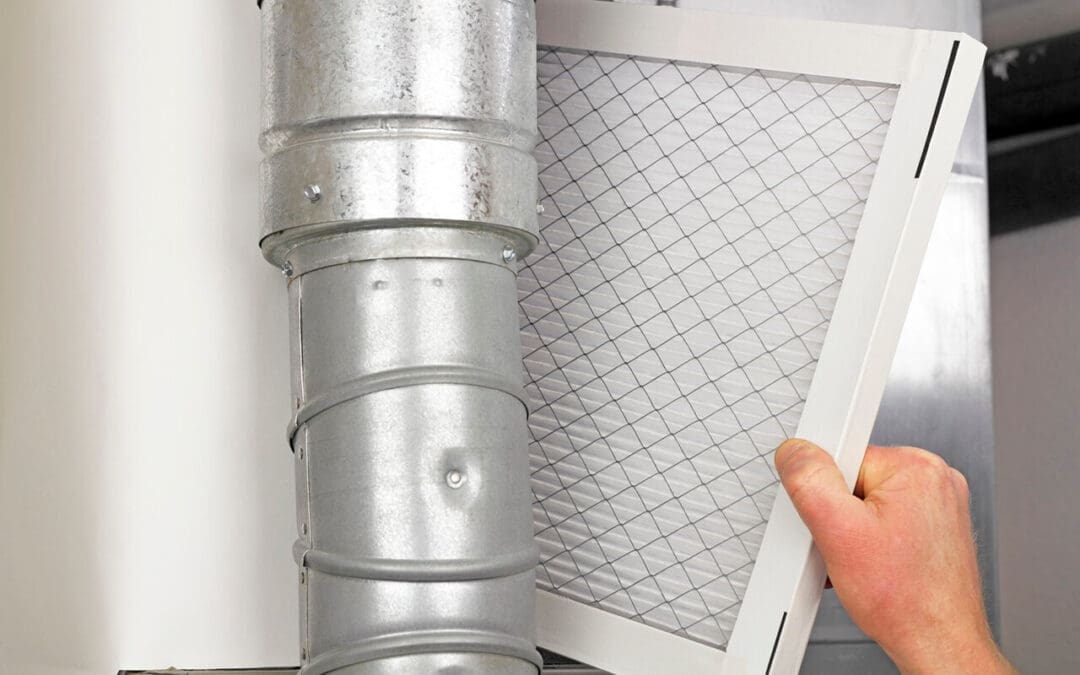
A heat pump works best when air moves freely through it. Check the filter monthly and replace it every one to three months, more often with pets. Keep at least two feet of clear space around the outdoor unit, and remove leaves, snow, and ice from the top and sides. Don’t cover it with a tarp. Gently rinse dirt off the coil with a garden hose when the power is off, and make sure gutters don’t drip onto the unit. Have a professional service the system once a year, ideally in spring or fall, so the technician can check refrigerant levels, electrical connections, and the defrost controls.
Thermostat Habits That Help a Heat Pump Perform
Big temperature swings can trigger auxiliary heat. Instead of turning the thermostat down dramatically at night and then raising it by many degrees in the morning, use small setbacks of two to three degrees. A smart thermostat designed for heat pumps can learn how your home responds and avoid unnecessary use of backup heat. Set a steady comfortable temperature, such as 68 to 70 degrees, and use ceiling fans on low to circulate warm air. Sealing drafts around windows and doors reduces how hard the system has to work. In very cold weather, expect longer cycles, which are more efficient than frequent short bursts.
Know the Warning Signs of Trouble
Pay attention to changes. Ice that builds up on the outdoor unit and doesn’t clear, loud grinding or banging sounds, short cycling on and off, air that never feels warm, and a sudden jump in your electric bill can all indicate problems. If your heat pump runs on auxiliary heat constantly, something may be wrong with the outdoor unit or the refrigerant. Call a licensed HVAC technician instead of waiting, since small problems tend to become bigger repairs in the coldest weather. Keep a record of service dates and unusual noises so the technician has helpful information.
Integrity Inspections offers home inspections in Greene County, Tennessee, and surrounding areas. Contact us to schedule your inspection today.
Recent Comments