
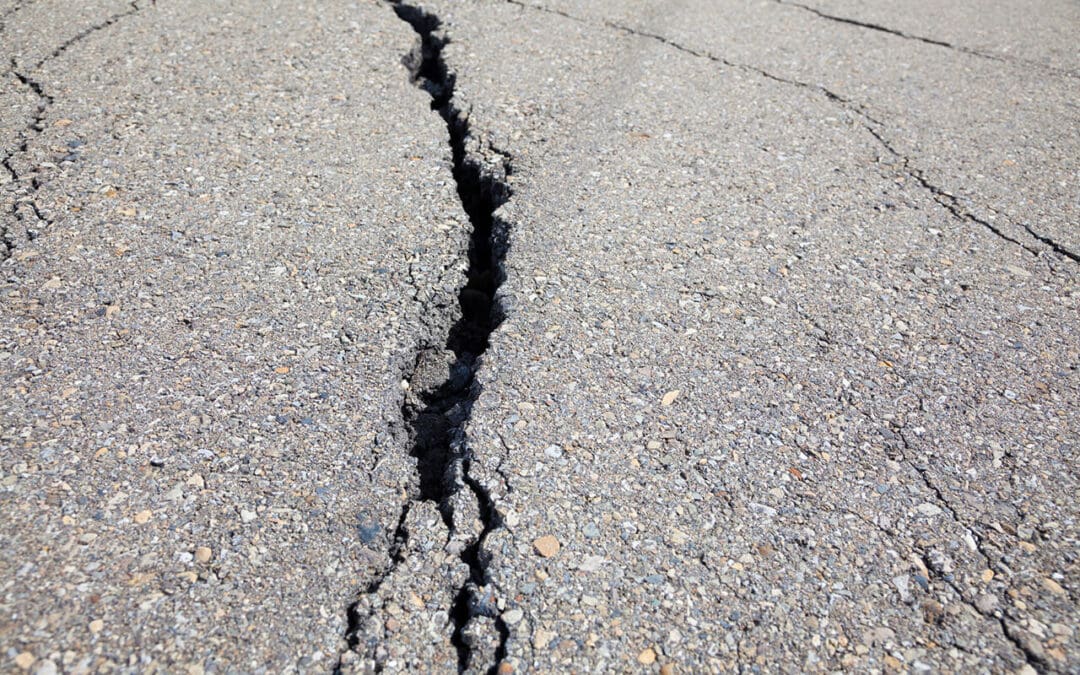
Your driveway is one of the hardest-working surfaces on your property, and one of the most neglected until driveway problems become impossible to ignore. The challenge most homeowners face isn’t identifying that something is wrong; it’s knowing what to do about it, in what order, and when a repair is genuinely worth the effort versus when replacement is the more sensible investment. Getting these decisions right saves money and prevents small issues from compounding into significantly more expensive ones.
Prioritizing Driveway Problems by Urgency and Risk
Not all driveway problems demand the same urgency. A cosmetic surface crack is different from a pothole that’s actively growing, and a minor grade issue near the edge is different from drainage that’s directing water toward your foundation. Before spending money on any repair, assess which driveway problems pose the greatest risk to your home, your vehicles, and your safety, and address those first. The highest-priority driveway problems are those that worsen with every rain cycle or freeze-thaw event. Cracks that allow water penetration are at the top of this list. Water enters, freezes, expands, and makes the crack significantly larger over winter. Potholes with voids beneath the surface grow the same way. These are the driveway problems where delay directly increases the cost and scope of repair.
When to DIY Your Driveway Fixes
Small to moderate driveway problems are genuinely manageable for a motivated homeowner with basic tools and the right materials. Hairline cracks and cracks up to about half an inch wide respond well to pourable or self-leveling crack filler applied on a dry, clean surface. Allow the product to fully cure before driving on it, patience here determines how long the repair lasts. Asphalt potholes can be patched with cold-patch asphalt compound available at most hardware stores. The key to a lasting pothole repair is removing any loose material from the void, slightly overfilling the patch, and compacting it thoroughly, a tamper or even the wheel of your vehicle driven slowly over the patch works. Under-compacted patches fail quickly regardless of the product used.
Concrete driveway problems like spalling, minor cracking, and surface deterioration can be addressed with concrete resurfacing products that bond to the existing surface and restore a clean, uniform appearance without full replacement. These products work best when the underlying structure is sound, if base failure or significant heaving is present, resurfacing is cosmetic at best and delays rather than solves the problem.
Knowing When to Call a Professional for Driveway Problems
The clearest signal that driveway problems have moved beyond DIY territory is any evidence of base failure. Alligator cracking, the interconnected network of cracks resembling a mosaic, indicates that the underlying material has broken down and can’t support the surface. Significant heaving, sections that flex under vehicle weight, or driveway problems that return within weeks of repair all point to structural issues that require professional assessment. A professional contractor can evaluate whether resurfacing over a structurally sound base is appropriate, or whether full removal and replacement is the more cost-effective long-term solution. Getting that assessment early, before additional deterioration occurs, is always preferable to waiting until the situation forces a decision.
Integrity Inspections offers home inspections in Greene County, Tennessee, and surrounding areas. Contact us to schedule your inspection today.