
Mold is one of those problems that rarely announces itself until it’s already taken hold. In a home, where moisture can build up in walls, attics, basements, and crawl spaces, the signs of mold may develop quietly over time. Knowing what to look for early is the best way to protect both your home and your family’s health.
What Makes Homes So Vulnerable to Mold
Homes trap humidity from everyday activities like cooking, showering, and doing laundry. Add in poor ventilation, seasonal temperature swings, and the occasional aging roof seal or plumbing leak, and you’ve got near-perfect conditions for mold to thrive. Basements and bathrooms are common hotspots, but mold can take hold anywhere moisture lingers, including inside walls where you’d never think to look.
Early Signs of Mold Growth
The earliest sign of mold is often something you notice before you ever see it: a musty, earthy odor that seems to linger no matter how much you clean or air things out. If a room in your home smells persistently stale or damp, don’t brush it off. That distinct mustiness is one of the most reliable signs of mold activity happening somewhere out of sight, behind drywall, under flooring, or inside a cabinet beneath the sink.
Visible Signs of Mold to Watch For
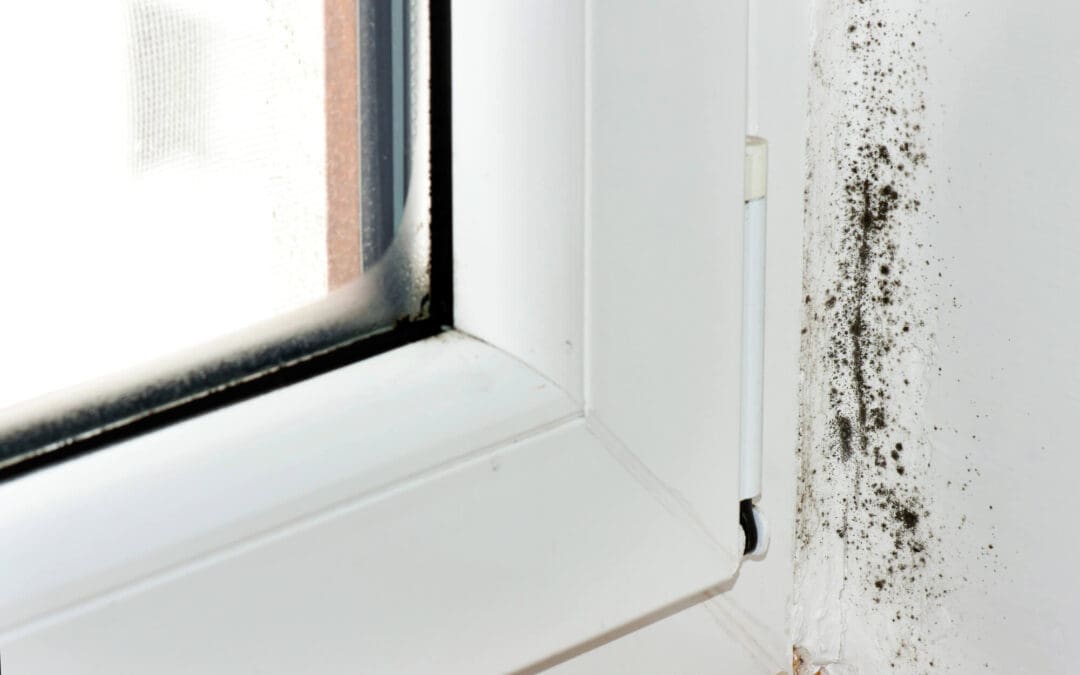
When mold becomes visible, it typically shows up as dark spots or patches on walls, ceilings, around windows, or along grout lines in bathrooms. It often appears in clusters and may have a slightly fuzzy or powdery texture. Discoloration around vents or in corners where condensation tends to collect is always worth investigating closely. Don’t mistake surface-level mildew for a minor issue. Even small visible patches are a signal that moisture conditions are favorable, meaning more growth is likely hiding nearby.
Soft Spots and Staining Are Red Flags
Physical changes to your home’s surfaces are some of the more serious signs of mold and water damage working together. Soft or spongy patches in flooring, walls that flex when pressed, or bubbling and peeling paint around window frames all suggest that moisture has been sitting long enough to affect the structure itself. At that stage, mold is almost certainly part of the picture. Yellowish or brownish staining on ceilings or upper walls is another red flag, often a sign of a slow roof leak that’s been quietly feeding mold growth for longer than you’d like to think.
How to Respond When You Notice Signs of Mold
When you spot signs of mold, act quickly. Small surface patches on non-porous materials can often be treated with a diluted white vinegar solution or a household mold remover. Wear gloves and a mask during cleanup, and make sure the area is well-ventilated. For anything larger, or any mold that’s reached porous materials like drywall, wood, or insulation, professional remediation is the smarter call.
The sooner you catch it, the simpler the fix. Regular checks of moisture-prone areas, especially after heavy rain or any plumbing issues, are your best tool for staying ahead of mold before it becomes a much bigger and more expensive problem.
Integrity Inspections offers home inspections in Greene County, Tennessee, and surrounding areas. Contact us to schedule your inspection today.